Denim is made to last.
Before you throw denim away, ask one simple question: what could this become next?
A favourite pair of jeans can be worn for years, softened by time and shaped by the person who wears them. But when denim becomes torn, faded, outgrown or simply unwanted, that does not have to be the end of its story.
Old denim can be repaired, altered, donated, sold, shared, transformed into something completely new — or recycled when it can no longer be reused.
WHY DENIM?
Denim is one of the world's most familiar and enduring fabrics.
From jeans and jackets to shirts, skirts, bags and workwear, denim has become part of everyday wardrobes around the world. Its strength is also one of its greatest advantages when we think about sustainability: denim that is no longer suitable for its original purpose can often remain useful for many years in another form.
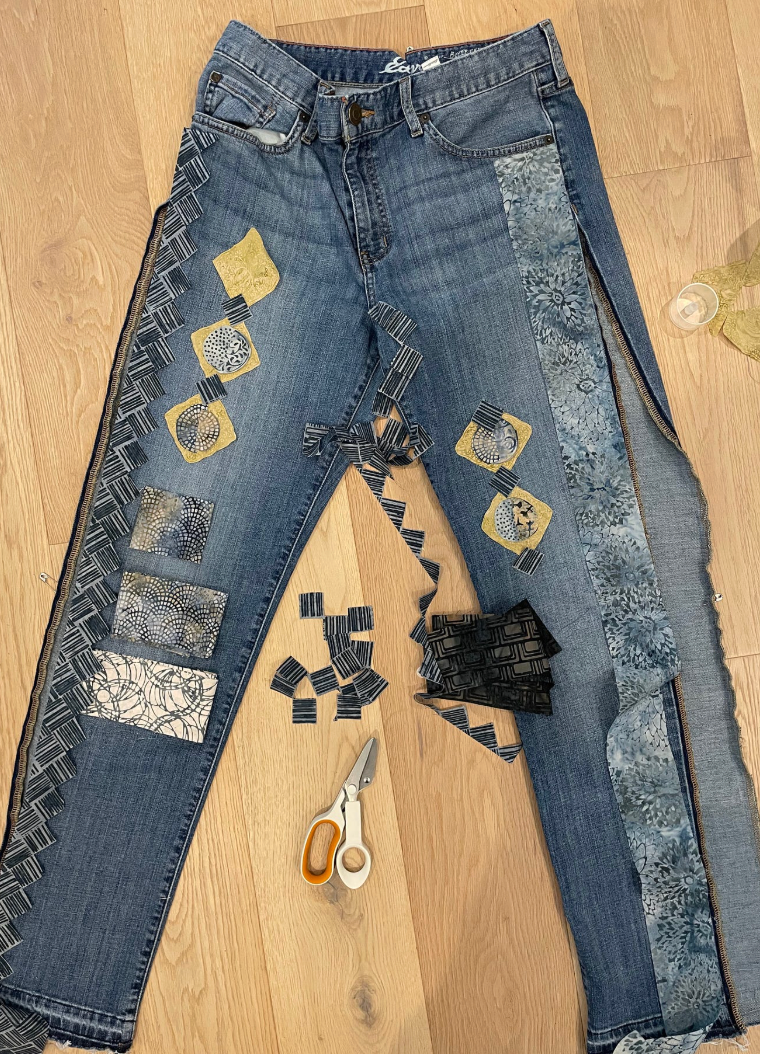
A ripped knee can be patched.
Jeans that no longer fit can be altered or passed on.
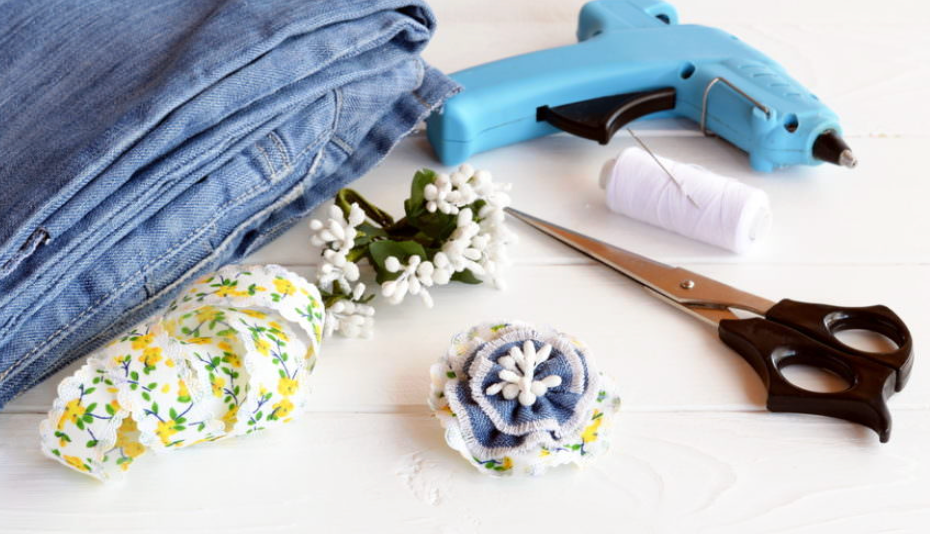
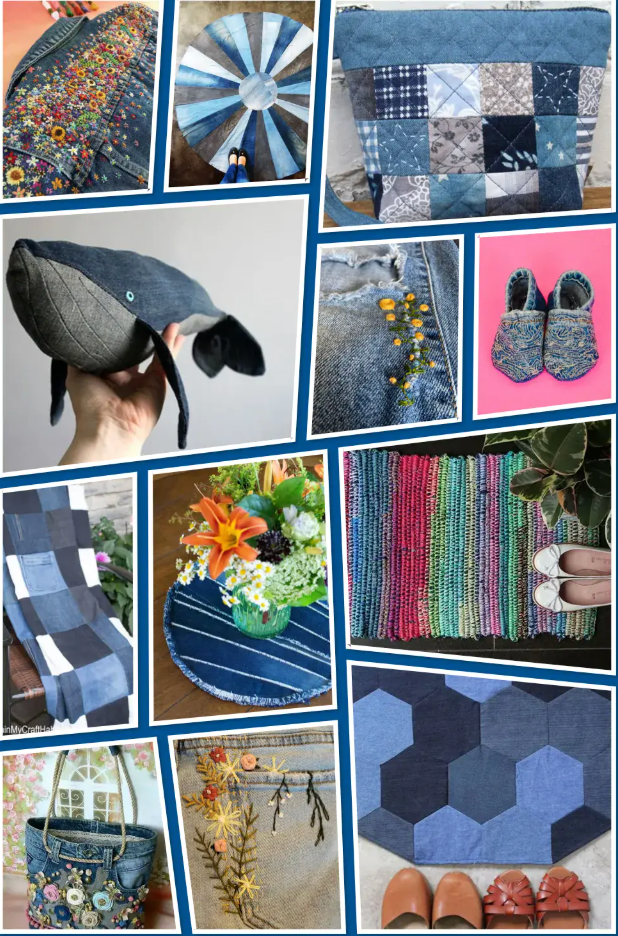
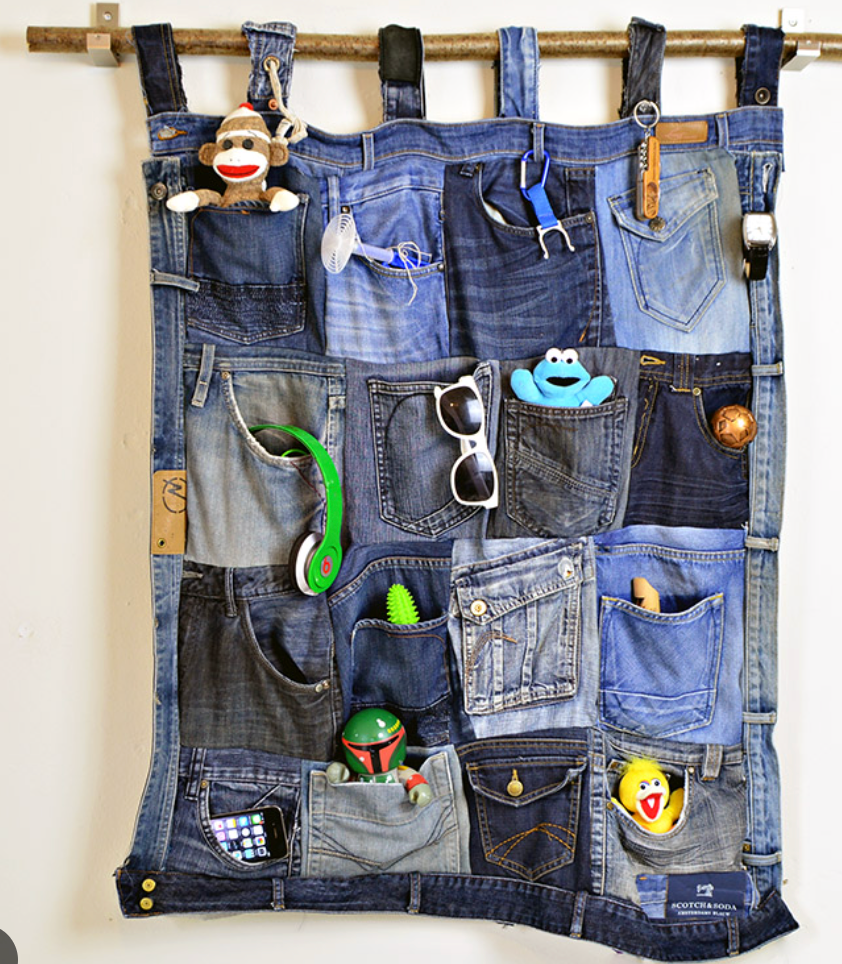
A worn pair can become a bag, cushion, storage basket, apron, patchwork panel or dozens of other useful objects.
WHY SHOULD WE REUSE AND RECYCLE DENIM?
Every new garment requires materials, energy, manufacturing, transportation and resources before it reaches our wardrobe.
Denim commonly contains cotton, and growing cotton requires land and water. Jeans then go through spinning, weaving, dyeing, finishing, manufacturing and transportation before they are eventually purchased.
The environmental impact doesn't stop when we take them home. Washing, drying and eventually disposing of clothing all contribute to its lifetime footprint.
Research into the lifecycle of jeans has shown why extending their useful life matters. Levi Strauss & Co.'s lifecycle research, for example, found that cotton cultivation and the way garments are cared for by consumers are significant parts of the overall water impact of a pair of jeans.
FROM A LINEAR WARDROBE TO A CIRCULAR ONE
For many years our relationship with clothing has followed a simple pattern:
Make → Buy → Wear → Throw Away
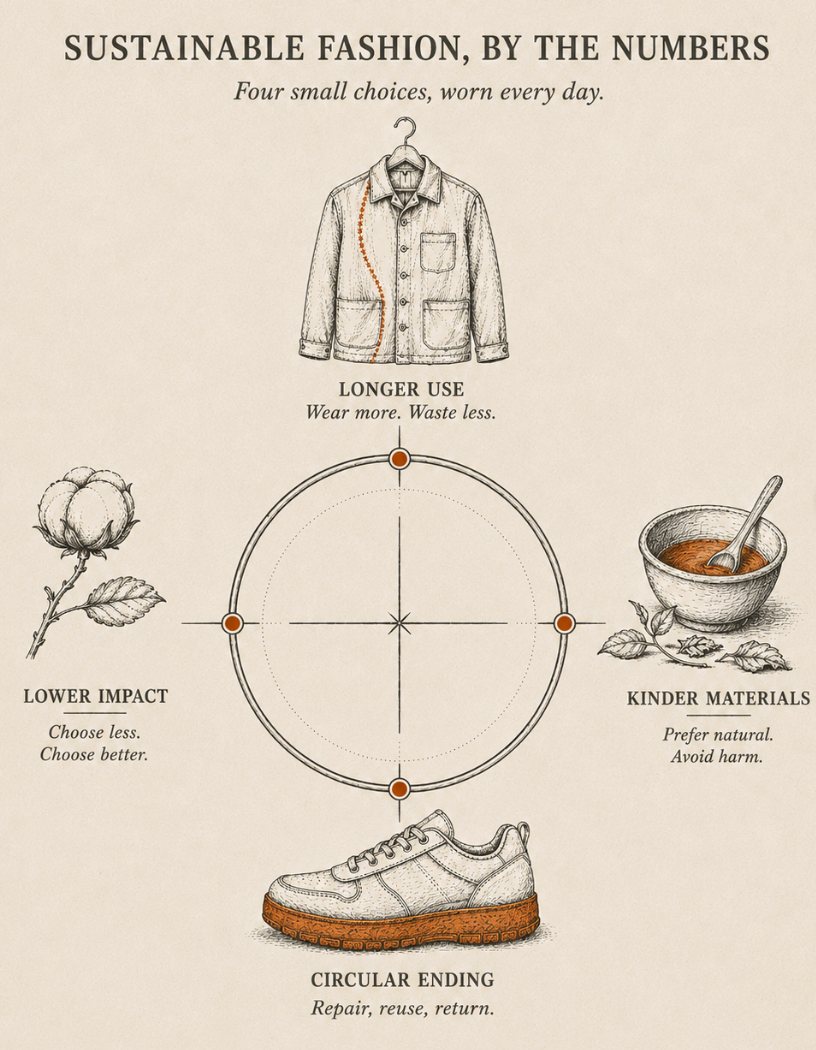
A more sustainable approach looks different:
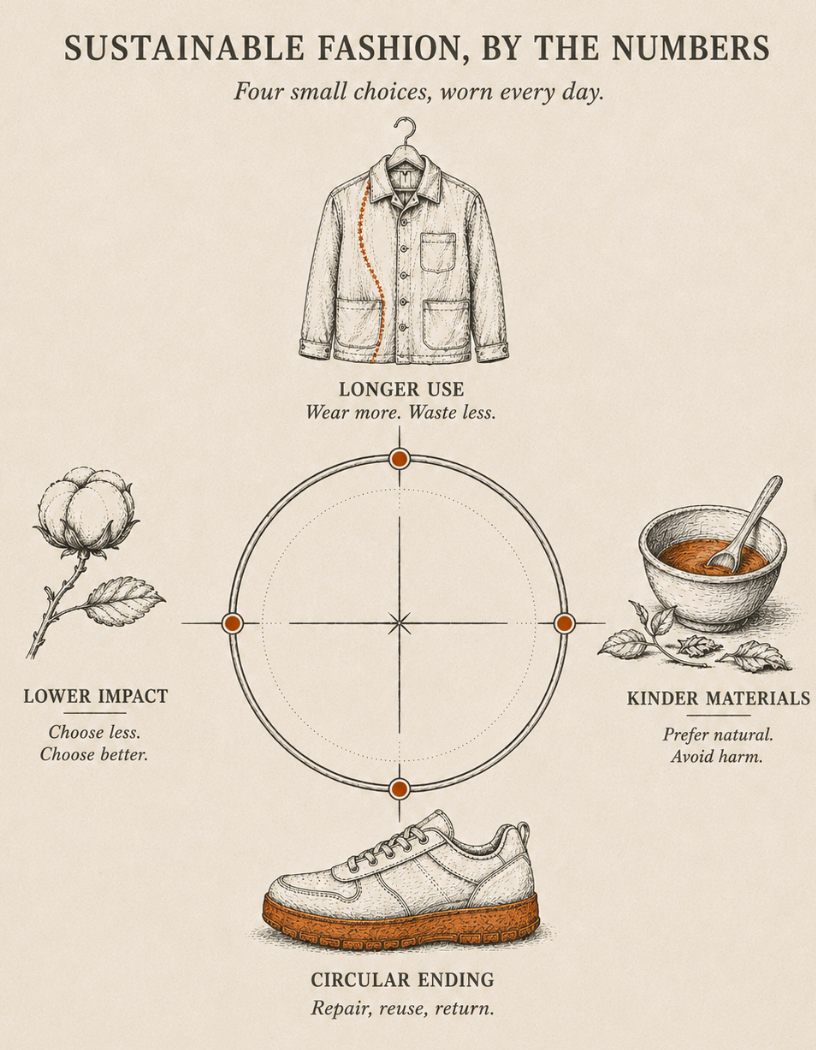
Choose well → Wear → Care → Repair → Reuse → Share → Remake → Recycle
This is sometimes called a circular economy.
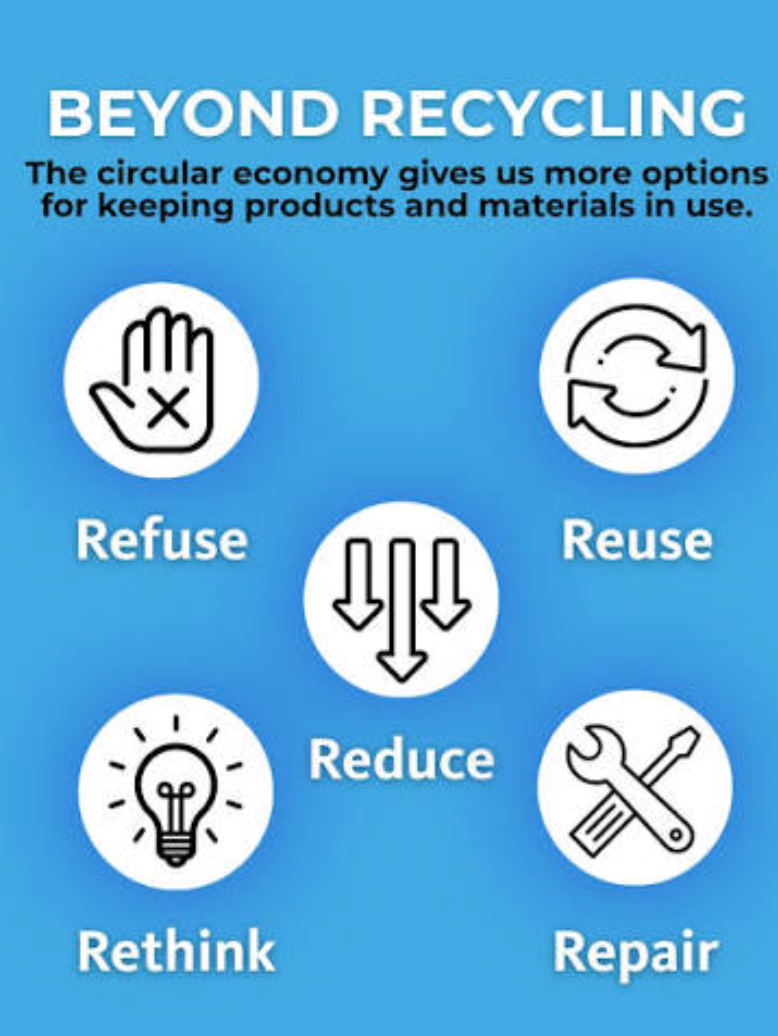
Instead of treating materials as disposable, a circular approach tries to keep products and materials useful for as long as possible.
The Ellen MacArthur Foundation's Jeans Redesign project explored exactly this idea, encouraging jeans to be designed so they are used more, made to be made again and created using safe, recycled or renewable materials.
The best piece of denim may therefore be the one that already exists.
BEFORE YOU RECYCLE — CAN IT BE REUSED?
Recycling is important, but it shouldn't always be the first option.
Before putting denim into a textile recycling scheme, consider whether somebody could still wear or use it.
1. WEAR IT AGAIN
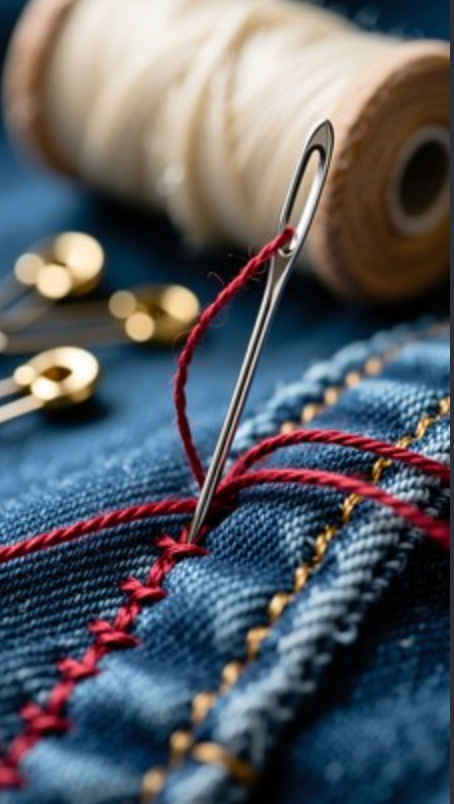
2. REPAIR IT
3. ALTER IT
4. PASS IT ON
5. REPURPOSE IT
This is where creativity begins.
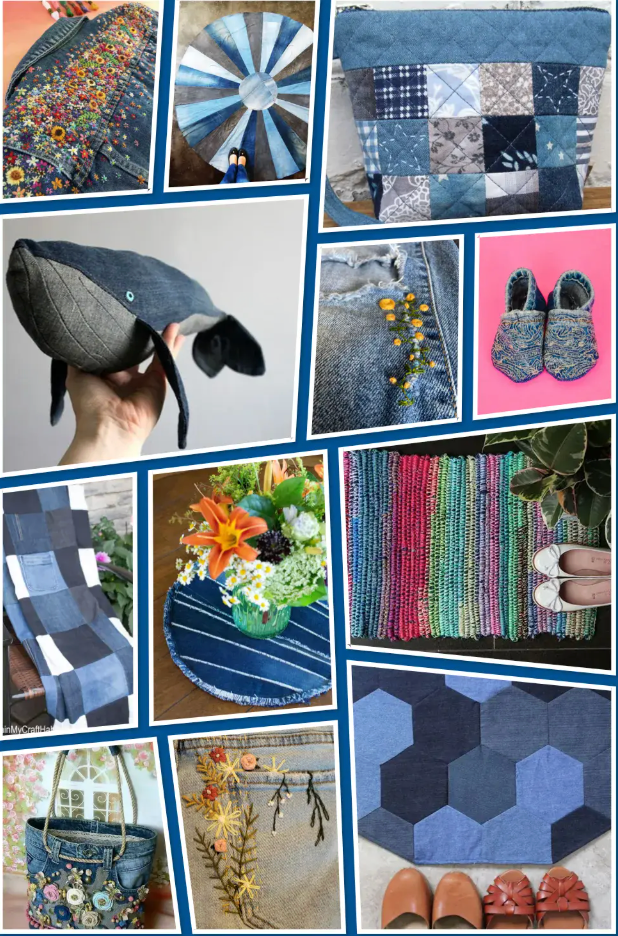
WHAT CAN OLD DENIM BECOME?
One pair of jeans. Dozens of possibilities.
The pockets, seams, waistband, belt loops, legs and even tiny offcuts from a pair of jeans can all be used creatively.
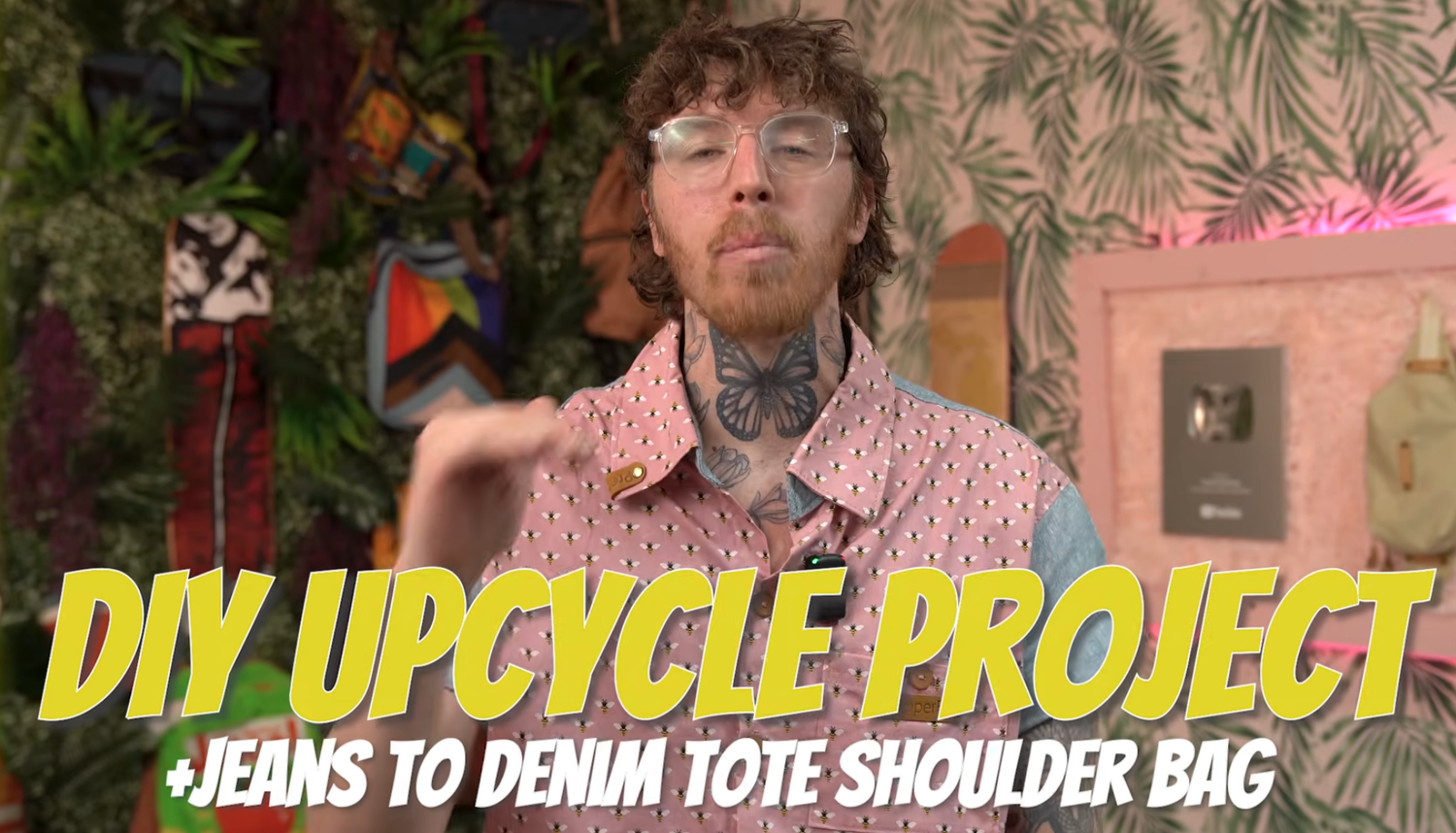
TUTORIAL — TURN OLD JEANS INTO A TOTE BAG
Difficulty: Beginner–Intermediate
You will need:
- one or two pairs of unwanted jeans;
- scissors;
- thread;
- pins or clips;
- a sewing machine or strong hand-sewing needle;
- material for handles, or strips of denim;
- optional lining fabric.
FAQ
Can denim be recycled?
Yes. Depending on its fibre composition and the recycling system available, denim can be collected and processed for reuse or recycling. Whenever possible, wearable garments should first be kept in use through repair, resale, donation or reuse.
Should I recycle jeans that are still wearable?
Usually there is a better option. If the jeans are wearable, consider selling, donating, swapping or giving them away so somebody else can continue using them.
Can ripped jeans be donated?
Possibly, but collection policies differ. Some textile schemes accept damaged clothing for recycling while organisations intending to resell clothing may have different requirements. Check the instructions for your local collection point.
What can I make from damaged jeans?
Almost anything that benefits from a strong fabric: bags, patches, storage containers, cushions, aprons, quilts, organisers and craft projects are excellent places to start.